PARTERRE SOUND · SERVICES
Sound services for productions and venues.
Sound design, system optimization, and recording shaped around your space, your production, and the people using the equipment.
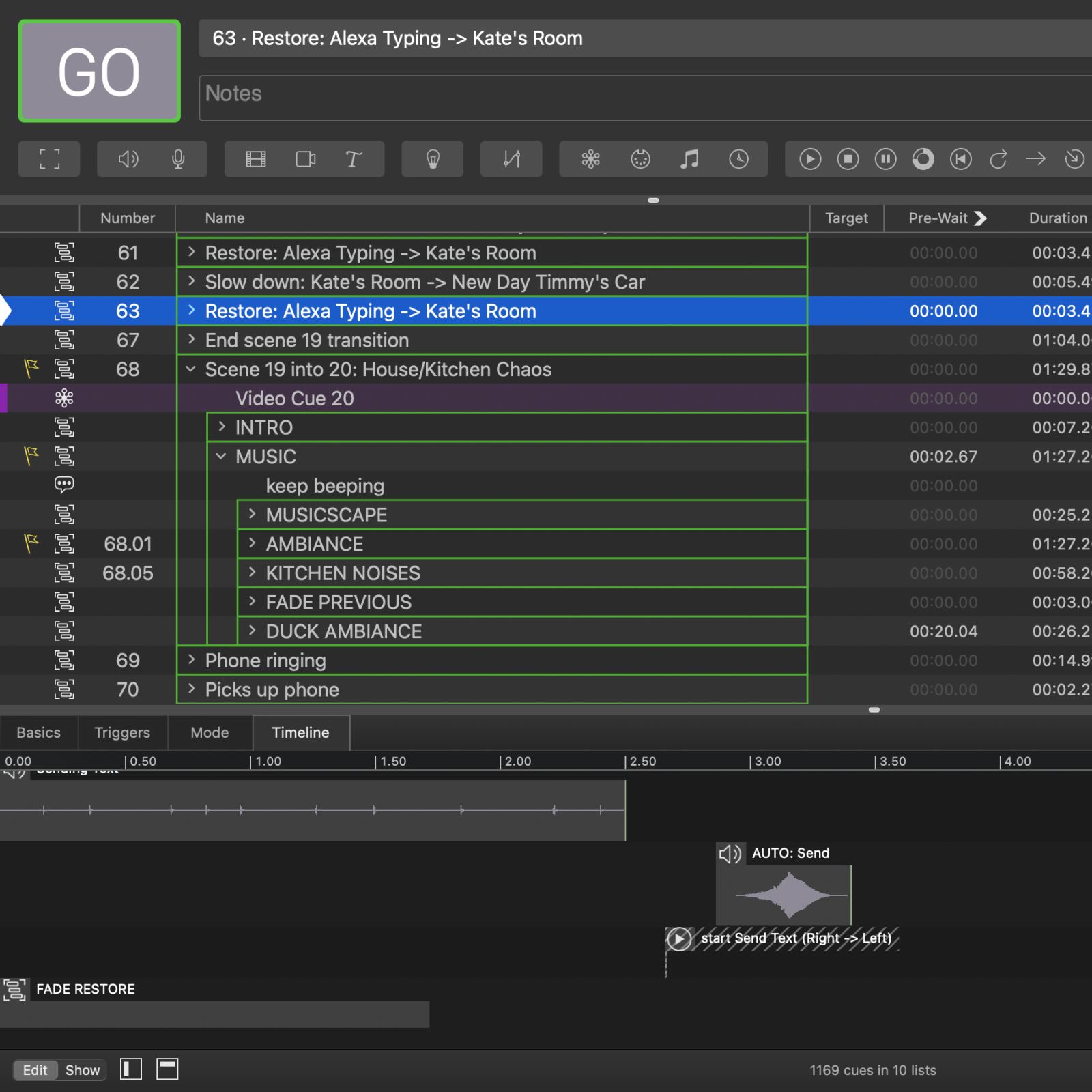
01 · THEATRICAL SOUND
Sound that supports the story.
A production needs more than an equipment list. It needs a sound design that works with the performance, the room, and the way the show will be operated.
From initial planning through rehearsal, the focus is on clear dialogue, a balanced musical mix, and a console workflow that is practical to run.
- Production sound planning and loudspeaker deployment
- Microphone, patch, and signal-flow planning
- Console programming and operator-friendly showfiles
- Playback and sound-effects coordination
- Rehearsal support and production refinements
02 · AUDIO SYSTEMS & OPTIMIZATION
Make better use of the system you have.
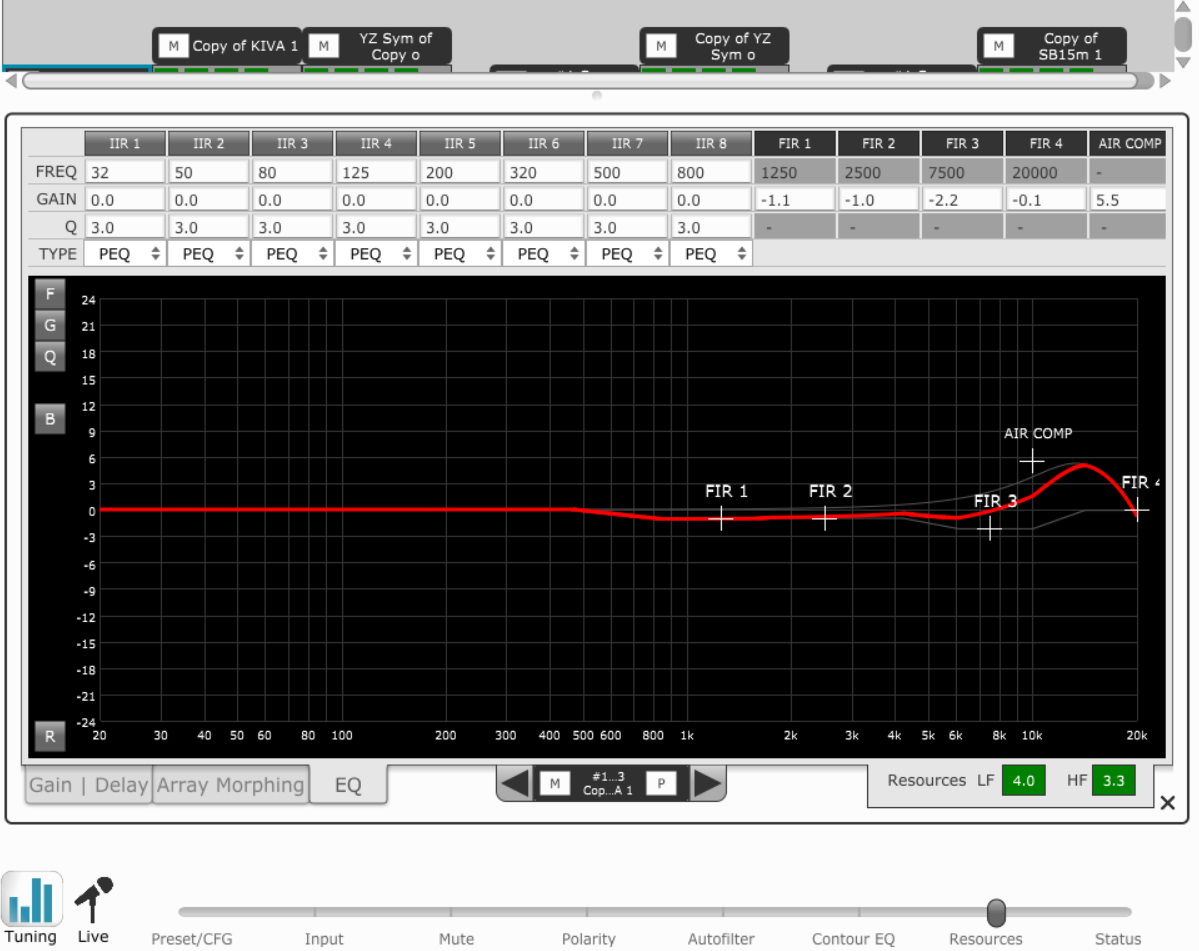
Uneven coverage, unclear vocals, or awkward routing can make a capable system difficult to use. We investigate how the system is deployed and configured, then identify practical changes.
Existing-equipment improvements come first. When a hardware change is warranted, the recommendation follows the problem and the needs of the space.
- System assessment and loudspeaker signal-path checks
- Coverage evaluation and loudspeaker modeling where appropriate
- Front-fill planning, level matching, and time alignment
- System EQ, DSP, and gain-structure review
- Console routing and showfile improvements
- Response and timing checks, with clear handoff notes
At Shakespeare in Delaware Park, loudspeaker coverage modeling guided improvements to the existing system, with a focus on achieving more consistent sound throughout the audience without requiring new equipment.
03 · LOCATION RECORDING & MIXING
Capture the performance. Shape the recording.
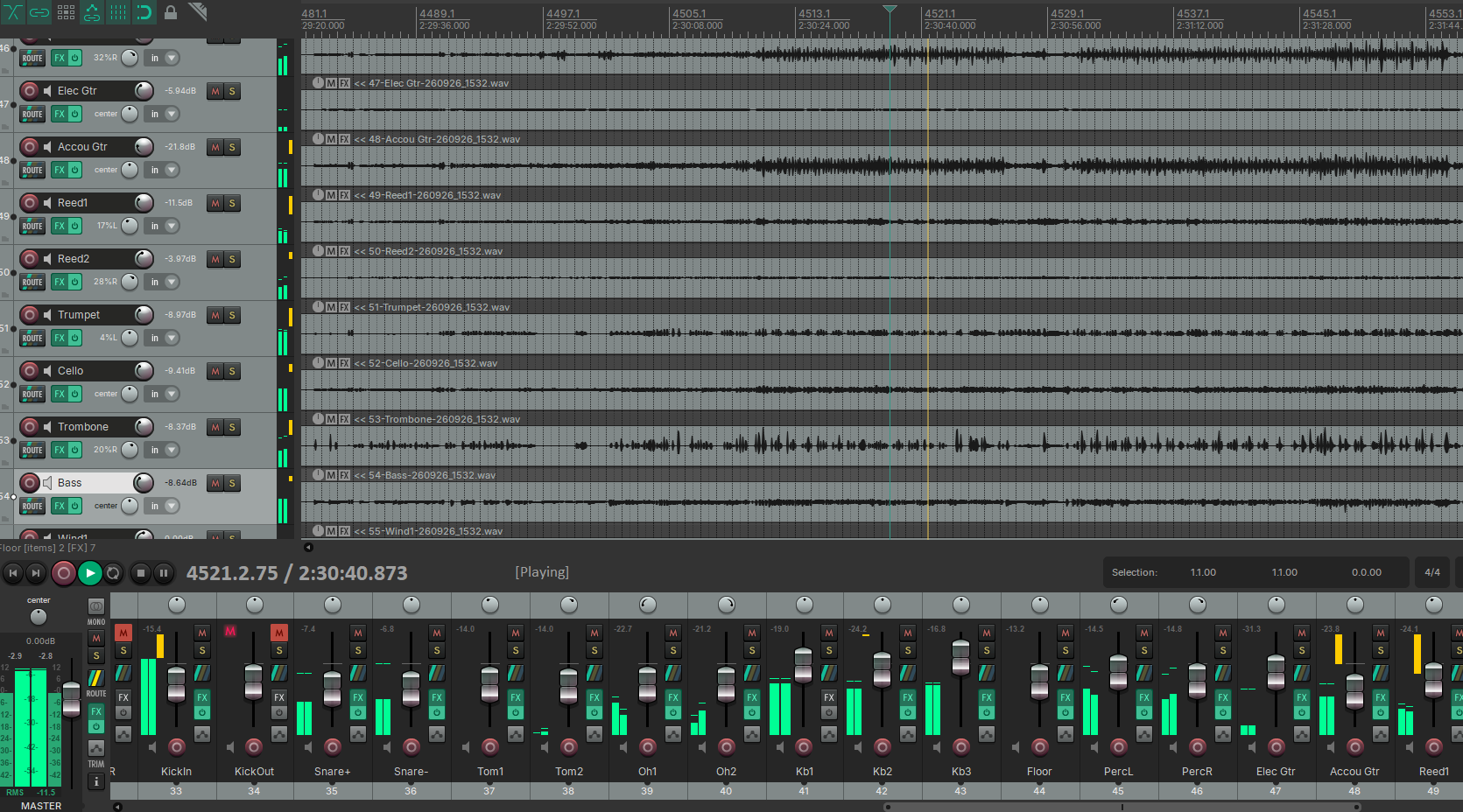
Record live performances and sessions with a capture plan that fits the musicians, the venue, and the intended release or archive.
Editing and mixing turn the captured tracks into a coherent listening experience. Recording format, delivery files, and revision scope are agreed before the work begins.
- Location and live-performance multitrack recording
- Microphone and recording signal-flow planning
- Editing and stereo mixing
- Agreed mix exports and multitrack handoff
The project scope includes confirming performer and venue permissions and the intended use of the recording.
PROJECT SCOPE
Start with a focused system assessment.
For a school auditorium or performance venue, a focused visit can help separate coverage problems, configuration issues, and day-to-day operating difficulties.
We agree on the priorities before work begins: the areas to assess, access to the system, the checks to perform, and the documentation to provide.
The scope can include practical configuration changes and recommendations for work that needs a separate visit. Equipment purchases, installation work, and production support are quoted separately when applicable.
BEFORE WE BEGIN
Common questions.
Can an existing system improve without replacement?
Often, useful improvements come from deployment, alignment, routing, or gain structure. An assessment determines what is practical; some limitations still require equipment or physical changes.
Do you work with schools and theatres?
Yes. Services are intended for theatres, schools, colleges, and performance venues, as well as artists and recording clients. Access and scheduling are planned around the space’s activities.
Can you document what changed?
Yes. The agreed scope can include settings, routing notes, measurements, and operating guidance so the venue has a usable record of the work.
Do you install or supply equipment?
Equipment supply and permanent installation are defined separately for each project. The initial scope establishes whether the work is assessment, configuration, production deployment, or planning for installation.
Tell us what you need the sound to do.
Share the venue, the production or system issue, and your target dates. We’ll start with an email conversation and put together a scope for the work.